Dunellen General Contractor Delivering Reliable Construction Services
Dunellen General Contractor Delivering Reliable Construction Services
Blog Article
Why Determining the Best General Contractor Is Crucial for Your Project
Determining the right prime contractor is a essential judgment that can considerably influence a project's success. A suitable contractor guarantees productive administration and observance to spending limits. Their ability to work through challenges and copyright lucid communication is indispensable. However, many project owners overlook critical factors in this procurement mechanism. Recognizing these features can lead to better outcomes and increased satisfaction. What should one assess when making this notable choice?
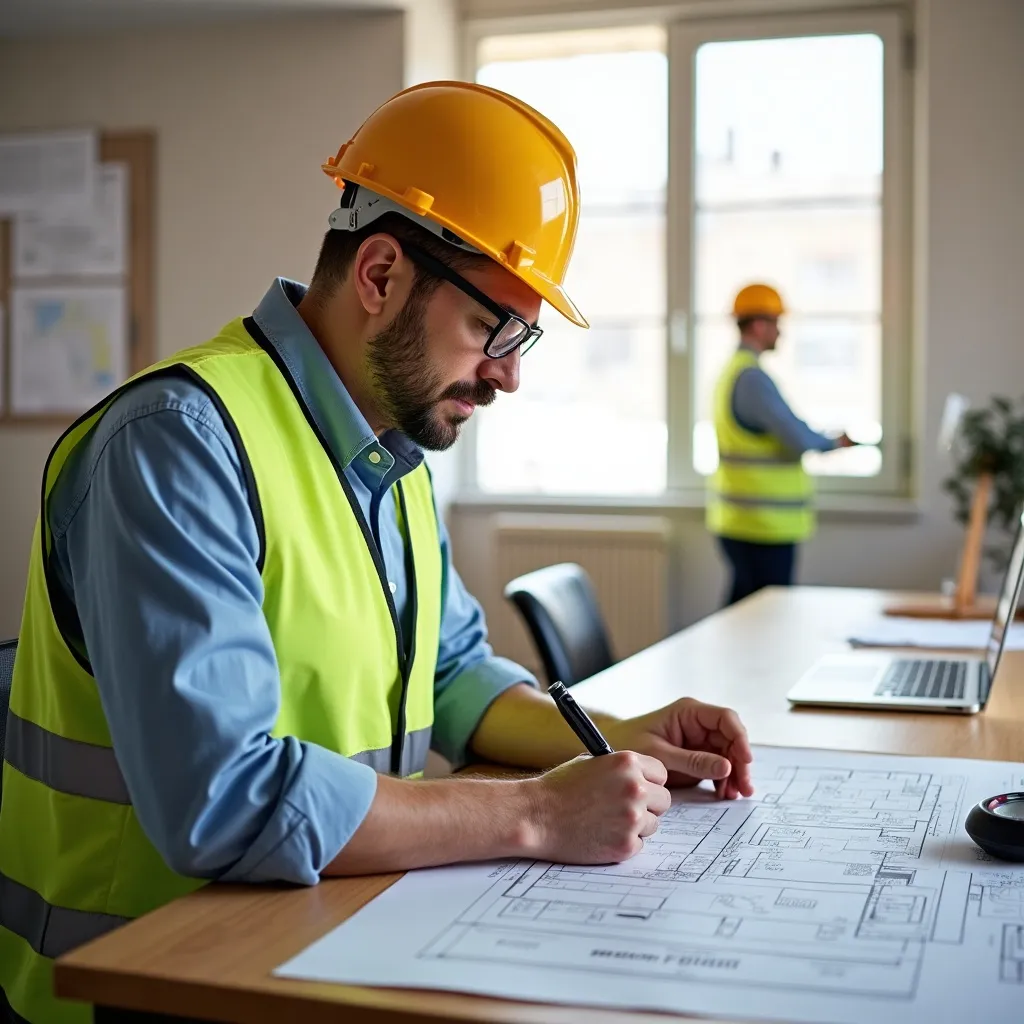
Typical Challenges in Picking a General Contractor
When picking a general contractor, potential clients often face numerous typical challenges that can complicate the decision-making process. One significant hurdle is the overwhelming number of choices on offer, which can result in uncertainty and hesitation. Customers may find it hard to differentiate between contractors based on credentials, background, and cost, making it difficult to identify who will best meet their project needs.
One issue is the insufficient openness in contractor estimates, where hidden costs may appear later, changing the project budget. Moreover, clients may encounter difficulties involving dialogue; some contractors may neglect to maintain client awareness during the process, producing annoyance. Ultimately, clients often contend with confirming a contractor's references and past work, which can create uncertainty regarding the quality of service provided. These challenges necessitate thoughtful review and due diligence to assure the appropriate selection is determined.
Why a Dependable General Contractor Is Critical
A reliable general contractor plays an essential role in ensuring project management efficiency and maintaining quality standards. Their expertise helps optimize processes, reducing expenses and delays. Additionally, a trustworthy contractor upholds quality standards, resulting in superior craftsmanship and client satisfaction.
Enhance Project Organization Productivity
Successful project management relies on the dependability of a general contractor. A reliable contractor promises that timelines are respected, resources are efficiently allocated, and communication flows effortlessly among all stakeholders. Their expertise in coordinating subcontractors, suppliers, and laborers has a direct influence on the advancement and ultimate success of the project. A reliable contractor anticipates obstacles, implements remedies promptly, and maintains focus on project objectives, minimizing setbacks and budget excesses. This effectiveness fosters teamwork that allows for necessary changes and upgrades. Ultimately, the general contractor's reliability enhances both project operations and trust among clients and team members, guaranteeing all stakeholders stay coordinated towards a successful conclusion.
Quality Assurance Benchmarks
Trustworthy general contractors play a pivotal role in upholding quality assurance standards throughout the project duration. They assure that the work follows established guidelines and industry standards, which is the durability and safety of the structure. A competent contractor manages materials and workmanship closely, carrying out routine inspections to spot and correct issues promptly. This proactive method mitigates risks connected with poor construction, ultimately protecting the investment. Additionally, a reliable contractor promotes communication between all stakeholders, ensuring expectations are transparent and met. Prioritizing quality assurance, a skilled general contractor not only betters the final product but also builds client trust, forming the basis for successful project completion.
Evaluating a Service Provider's Background and Reputation
When assessing a general contractor, understanding their track record and reputation is crucial, as these factors significantly affect project results. A contractor's experience typically shows their capacity to manage different kinds of projects, complexities, and hurdles. Examining their collection of work delivers insight into past projects, highlighting craftsmanship and careful attention to specifics.
Furthermore, track record plays a vital role in establishing trust. Prospective clients should look for online reviews, testimonials, and references to gauge satisfaction levels from previous clients. Communicating with past customers can uncover the contractor's reliability, communication skills, and compliance with timelines and budgets.
Furthermore, industry affiliations and certifications can bolster a contractor's credibility, suggesting a resolve to quality and responsible practices. By thoroughly evaluating both track record and credibility, clients can select wisely, ultimately setting the stage for a successful construction project.
Important Traits of a Honest Contractor
A reliable contractor regularly exhibits honesty, transparency, and excellent interpersonal abilities. These essential qualities form the basis of a successful working relationship. Integrity guarantees the contractor adheres to moral standards, offering honest assessments and realistic schedules. Transparency entails fully disclosing assignment information, encompassing expenses and possible obstacles, fostering confidence between the contractor and the customer.
Excellent communication skills enable the contractor to efficiently express ideas, listen to client needs, and address any concerns that arise during the project. In addition, a trustworthy contractor showcases flexibility, responding to changes and unexpected circumstances with poise and resilience. Attention to detail is one more key trait; it reflects a commitment to quality and precision in every aspect of the work. At the end of the day, these characteristics not only enhance project outcomes but also foster a positive relationship for clients, making the hiring of a dependable contractor all the more essential.
Essential Questions When Choosing Your General Contractor?
How can one guarantee they choose the right general contractor for their project? By asking a series of targeted questions, potential clients can better assess candidates. First, inquiring about the contractor's experience with comparable work offers insight into their expertise. It's also vital to request for references; speaking with previous clients can uncover the contractor's dependability and quality of work.
Following this, assessing licensing and insurance establishes that the contractor meets legal requirements and safeguards the client from possible liabilities. Clients should further inquire regarding timelines and project management plans to gauge how the contractor will handle the project effectively.
Budget talks are important; requesting a thorough estimate helps avoid surprise costs later. Finally, understanding the contractor's preferred way of communicating can establish the foundation for a productive working relationship. By addressing these important inquiries, clients can make informed decisions in selecting their general contractor.
The Importance of Communication With Your Contractor
Effective communication with a contractor is critical for project completion. Establishing explicit expectations and sharing consistent feedback can avoid misunderstandings that often lead to expensive postponements. Additionally, encouraging an receptive dialogue establishes credibility, ensuring a more productive working relationship throughout the construction phase.
Defined Standards Promote Achievement
Setting definite expectations is necessary for a effective partnership with a general contractor. Transparent communication paves the way for understanding the project's goals, deadlines, and budget limits. When both sides voice their needs and concerns, it lowers the chance of misunderstandings that could stop progress. A contractor who is familiar with the exact requirements can allocate resources efficiently and tackle potential problems proactively. Furthermore, having unambiguous expectations promotes accountability, making sure that the contractor fulfills promises and that the homeowner stays engaged in the process. Prioritizing open communication from the start allows clients to strengthen teamwork and satisfaction, ultimately resulting in a seamless project delivery. Clear expectations not only streamline operations but also cultivate trust between the homeowner and the contractor.
Prompt Communications Prevent Misunderstandings
Clear expectations establish the foundation for efficient collaboration, but ongoing dialogue is just as essential. Timely notifications from a general contractor can avoid confusion that may arise during a project. When contractors consistently provide progress reports, customers stay informed about timelines, budget changes, and possible obstacles. This forward-thinking interaction serves to align both parties' goals and reduces the likelihood of disputes later on. Furthermore, when problems arise, prompt alert enables faster resolutions, guaranteeing the project stays on schedule. By cultivating a culture of transparent communication, contractors show their commitment to the project's success, ultimately resulting in a smoother process and increased client contentment. Therefore, prompt updates function as a foundation for maintaining clarity and trust throughout the building undertaking.
Open Communication Strengthens Trust
As a project unfolds, maintaining an open dialogue with the general contractor becomes paramount for fostering belief and joint effort. Effective communication guarantees that all parties have a complete understanding of objectives, timelines, and potential roadblocks. When trade professionals and customers engage in regular discussions, it lets for the identification of setbacks before they escalate, reducing problems. This candor not only develops certainty but also enhances the overall building experience. Additionally, an two-way communication system encourages feedback, equipping the construction leader to make corrections that conform to the client's vision. Ultimately, effective interaction establishes a structure of mutual respect, which is key for the successful completion of any construction project. Confidence cultivated through exchange leads to better outcomes for everyone involved.
Frequently Raised Questions
How do I establish whether a Contractor is properly registered?
To assess if a contractor is licensed, one should inspect local registration agencies and web portals, validate their license number, and establish it's active. Additionally, looking at customer testimonials can present awareness of their professional standing and consistency.
What Insurance Should My Contractor Carry?
A builder must have broad coverage protection, employee injury coverage, and, if relevant, errors and omissions coverage. These cover possible harm, on-the-job accidents, and mistakes in craftsmanship, ensuring monetary safeguards for both the builder and the customer.
How Can I Check a Builder's References?
To examine a contractor's track record, one should obtain a list of previous clients, communicate with them in person, and question them regarding their opinions. Moreover, looking into online reviews and ratings can give valuable insights into the contractor's dependability.
What Can I Do if Problems Occur During the Project?
If issues develop during the project, one should record the issues, speak openly to the contractor, and find a solution. If needed, involving a third party or consulting a legal professional may also be appropriate.
Should You Be Aware of Concerning Indicators Throughout the Job Selection Process?
Problem indicators during the hiring process feature vague estimates, absent references, poor communication, partial licenses, and poor start now online reviews. These indicators reveal potential issues that might influence the project's quality and timeline.
Report this page